What Is a Prepaid Card and When Should UK Consumers Use One?
Prepaid Cards: Spending Only What You've Loaded
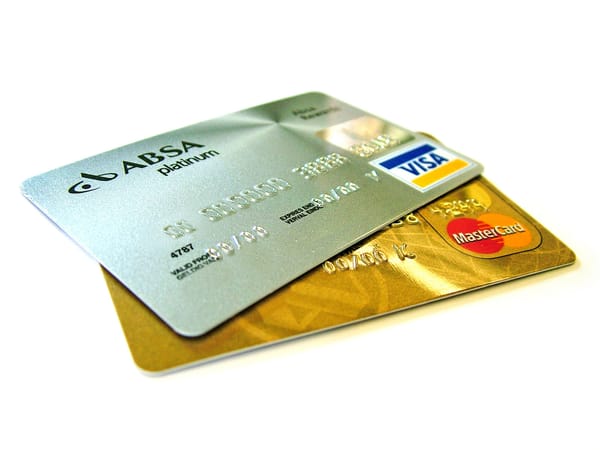
A prepaid card is a payment card loaded with a specific amount of money in advance. Unlike a debit card (which draws from your bank account) or a credit card (which creates debt), a prepaid card can only spend what's already on it. When the balance is empty, transactions decline — preventing overspending by design.
How Prepaid Cards Work
Load money onto the card via bank transfer, debit card, or (on some cards) cash at PayPoint locations. Use it anywhere that accepts Mastercard or Visa. When the balance runs low, top up again. There's no credit check and no bank account required.
Best Use Cases for Prepaid Cards
- Children's spending money: Give children a prepaid card with a weekly allowance — they learn to budget with real money and real consequences, but you control the maximum
- Travel: Load a currency-specific prepaid card to avoid foreign transaction fees and limit exposure to card skimming
- Budget control: Load a weekly spending allowance onto a separate prepaid card — when it's empty, that category of spending is done
- Online shopping security: Use a prepaid card for online purchases, limiting exposure to fraud
- No bank account situations: People without a bank account can use prepaid cards to make card payments and shop online
Limitations
- Funds on most prepaid cards are not FSCS-protected (though they're safeguarded by e-money regulations)
- Cannot build credit history
- Some cards charge fees for loading, monthly maintenance, or ATM withdrawals
- Not accepted by some hotels, car hire companies, or services requiring pre-authorisation
Popular UK Prepaid Cards
Caxton, Wise (for travel), and Pockit are established options. For children, GoHenry and HyperJar offer prepaid cards with parental controls and financial education features built in.