What "Challenger Bank" Actually Means in 2026
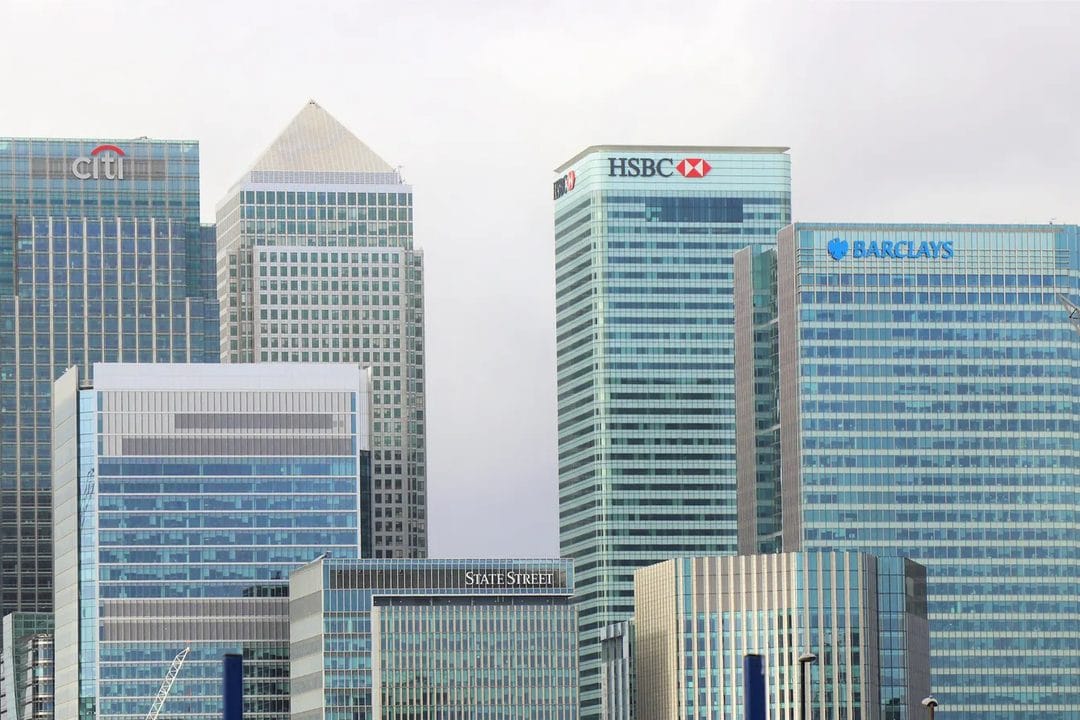
Ask ten people in a London pub what a challenger bank is and you'll get ten different answers, most of them wrong. It isn't a bank with no branches, and it isn't a fintech app with a debit card bolted on. Monzo, Starling and Revolut hold full UK banking licences from the Prudential Regulation Authority, which puts them under exactly the same capital and conduct rules as Barclays or HSBC. The difference is architecture, not legitimacy — challenger banks built their systems in the 2010s on cloud infrastructure, while Lloyds and NatWest are still running core banking platforms with code dating back to the 1980s and 90s, patched and wrapped rather than replaced. That distinction matters more than most comparisons admit, because it shapes which failures each type of bank is prone to: a challenger bank's outage tends to be short and app-wide, while a traditional bank's tends to be narrow but stubborn, the kind of thing where one branch's card machine has been "temporarily" out of order since March. None of that makes one safer than the other — both answer to the same Financial Conduct Authority rulebook — but it does explain why the two experiences of banking feel so different day to day.
That architectural gap explains almost everything else in this comparison. A challenger bank can push a new feature to every customer overnight because the whole stack sits in one place. A traditional bank has to test a change against decades of legacy integrations before it dares touch production — which is why NatWest's app still occasionally shows a spending breakdown that lags two days behind reality, and why Monzo's doesn't.
Where Challenger Banks Actually Win
Account opening is the easiest comparison to make, because the gap is embarrassing for the incumbents. Starling and Monzo verify identity and issue a working virtual card in under ten minutes from a phone, with a physical card in the post within a week. Barclays and HSBC still ask new customers to book a branch appointment or wait days for a paper welcome pack before the account is usable — a process built for a world where nobody expected same-day banking.
Spending abroad is the other clear win. Revolut and Starling both offer the interbank exchange rate on foreign transactions with no markup on everyday spending, which on a two-week holiday in Portugal or a work trip to Frankfurt can save £20–£40 compared with a Barclaycard's standard non-sterling transaction fee (typically around 2.99%). Starling in particular has built a reputation among frequent travellers precisely because of this — it's the one most Reddit threads on r/UKPersonalFinance recommend without hesitation when someone asks about currency cards.
Where Traditional Banks Still Win
This is the part challenger-bank fans don't want to hear.
Cash is still a problem for digital-only banks. If you're self-employed and take cash payments — a market trader, a hairdresser, a small landlord collecting rent in person — Monzo and Starling route deposits through the PayPoint network at newsagents, capped at £1,000 a day and often carrying a small fee after a free monthly allowance. Barclays, NatWest, Lloyds and HSBC still let you walk into a branch and pay in £3,000 over the counter with no drama. For a business that handles real cash volume, that difference isn't a minor inconvenience; it's the whole reason to keep a traditional current account open.
Complex lending is the second area where the old guard has the advantage, and it isn't close. Mortgages, business overdraft facilities above a few thousand pounds, and secured loans still run through relationship-based underwriting that challenger banks, for the most part, don't offer at all — Starling does a small mortgage book, but Monzo doesn't lend against property and Revolut's UK lending is limited to short-term personal credit. If you want a £250,000 mortgage on a Victorian terrace in Bristol, you're going to HSBC, Nationwide, Halifax or a broker, not Monzo.
FSCS Protection: The One Thing That Doesn't Change
Whichever side you pick, your money is covered the same way. The Financial Services Compensation Scheme protects up to £85,000 per person, per authorised institution, regardless of whether that institution is Barclays or Starling — both hold the same type of UK banking licence and both sit under the same FSCS umbrella. The one detail worth checking before you move savings around: some challenger and fintech products aren't full banks at all but e-money institutions (Revolut's core current account was one for years, though it now operates a UK banking licence for many customers), and e-money accounts don't carry FSCS protection in the same way — funds are safeguarded rather than insured. Always check which licence type sits behind an account before parking large sums in it.
Open Banking and the PSR — What the Regulation Actually Guarantees
Open Banking turned eight this year, and it's the regulatory shift that made the challenger-vs-traditional comparison possible in the first place. Under rules overseen by the Financial Conduct Authority and the Payment Systems Regulator, any UK bank — challenger or high-street — has to let you securely share your transaction data with third-party apps if you consent to it. That's how Plum, Emma and Snoop can pull data from a Lloyds current account and a Monzo pot into a single dashboard, and it's why switching your main account no longer means losing sight of your old spending history.
The PSR has also pushed hard on Authorised Push Payment fraud reimbursement, forcing banks — again, both types — to refund victims of bank transfer scams in most cases since the mandatory scheme took effect. Don't assume a challenger bank is inherently less safe here: Starling and Monzo have both had to build the same reimbursement infrastructure as Barclays, because the rule applies to the payment system, not to the size of the bank running it.
Overdrafts and the Real Cost of Borrowing a Little
Overdraft pricing is where the marketing gap and the real gap diverge the most. Since the FCA banned tiered daily overdraft fees in 2020, every UK current account provider has to quote a single representative APR, which makes comparison genuinely possible for the first time. Monzo and Starling both typically sit in a lower APR band than the traditional banks for arranged overdrafts, often somewhere in the high-teens to low-20s percent, while Barclays and NatWest overdraft APRs commonly run closer to 35–40% depending on your risk profile. That gap is real money if you dip into your overdraft regularly — a £500 overdraft carried for a month costs noticeably less at Starling than at most of the big four. Before the 2020 reform, unarranged overdraft fees were among the most complained-about charges in UK retail banking, with some providers effectively charging more for slipping £20 into the red without permission than a payday lender would have charged for the same amount — which is precisely why the FCA stepped in. The rule now applies equally whether you dip in by £5 or £500, arranged or not, so the old trick of quietly authorising a small unarranged overdraft and billing a flat daily fee for it is gone everywhere, challenger and high-street alike.
Avoid judging any of this on headline rates alone, though. Overdraft pricing is risk-based and individual, so the number you're actually offered depends on your income, your credit history and how the bank scores you — not just which logo is on the card.
Branch Closures Are Reshaping the Decision Anyway
Over 100 bank branches closed across the UK this year alone, continuing a trend that's been running for the better part of a decade, and it's quietly making the "traditional bank" choice less traditional than it used to be. Post Office banking services now cover basic cash deposits and withdrawals for most major banks' customers, which softens the blow, but the in-person advice appointment that used to be a phone call away is increasingly a 40-minute drive for people outside major towns. If your reason for staying with a high-street bank was "I like being able to walk in and talk to someone," that reason is eroding faster than most people realise.
So Which One Should You Actually Use?
Use a challenger bank as your everyday spending account — Starling or Monzo, take your pick, both handle budgeting pots, instant notifications and fee-free travel spending better than any high-street competitor right now. Keep a Barclays, NatWest, Lloyds or HSBC account open alongside it if you're self-employed with real cash flow, if you'll need a mortgage in the next few years, or if you simply want the option of walking into a branch when something goes wrong with a large transfer.
Running both isn't a compromise; it's the setup most people who've actually compared them end up with, because the two types of bank were never built to solve the same problem. The current account switching service makes moving your main account between any two UK banks a five-day process regardless of which direction you're going, so testing a challenger bank alongside your existing account costs you nothing but ten minutes on your phone.