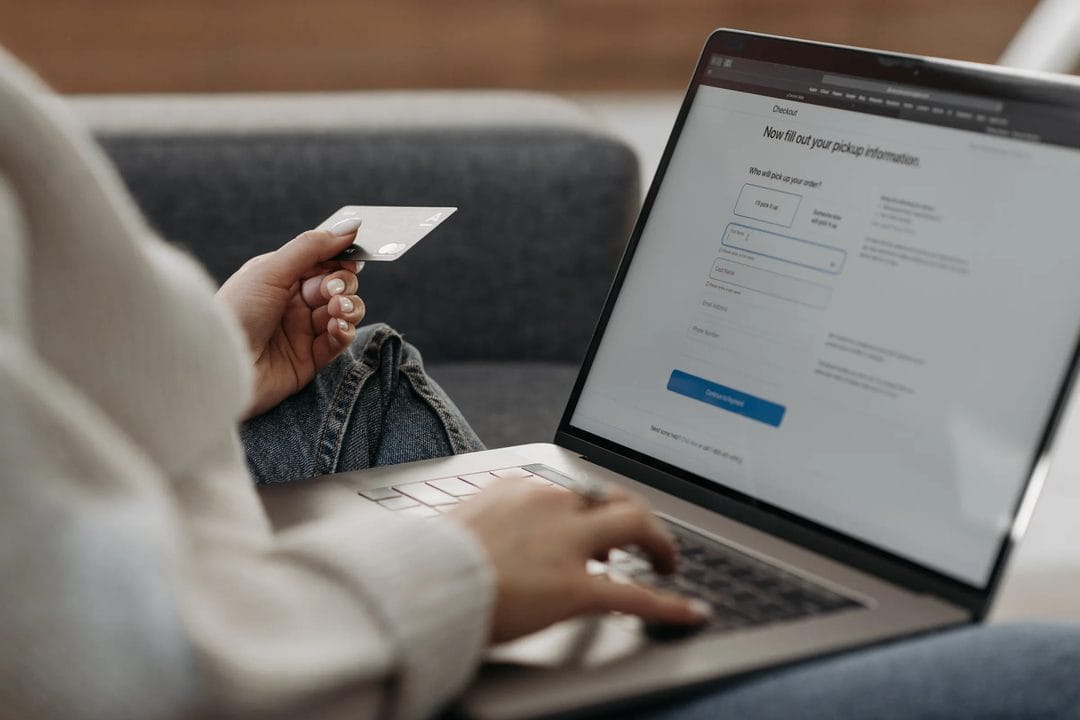
You get to the checkout, the total looks a bit steeper than you'd like, and there it is: pay in three interest-free instalments, no credit check mentioned anywhere on the button, approval in about the time it takes to read this sentence. For the better part of a decade that button sat in a strange gap in UK consumer law, and millions of shoppers walked straight through it without ever being told they were borrowing money. That gap is now closing, and both the shopper side and the lender side of the transaction are about to look noticeably different.
The gap Klarna and Clearpay built their business in
Buy Now, Pay Later products such as Klarna's Pay in 3, Clearpay and PayPal's Pay in 3 grew explosively in the UK precisely because they fell outside the Consumer Credit Act's normal reach. Short-term, interest-free credit repayable in twelve instalments or fewer was carved out of FCA authorisation requirements decades before anyone had built an app around it — a sensible exemption for shopkeepers offering a handshake payment plan, and a very different thing once it became the default checkout option at a national clothing retailer. That exemption traces back to a version of consumer credit law written for catalogue instalment plans and Christmas savings clubs, not a one-tap button sitting between a shopper and an online basket. Providers didn't need consumer credit licences for these specific products, didn't have to run the affordability checks a credit card issuer runs, and weren't required to report missed payments to credit reference agencies in the way a personal loan lender would. Retailers, for their part, tended to treat the arrangement as a marketing partnership rather than a lending relationship — BNPL providers paid the merchant for the referral, not the other way round, which is part of why checkout copy leaned so heavily on "spread the cost" rather than anything resembling a credit warning. You could open five separate BNPL accounts across five different retailers in the same afternoon and none of the five would know the others existed.
That combination — instant approval, no visible credit trail, repayment spread across weeks rather than months — is exactly why campaigners including Citizens Advice and the Money and Mental Health Policy Institute spent years pushing HM Treasury to close the loophole. The Financial Services and Markets Act 2023 gave the government the legal mechanism to do it, and the FCA has spent the period since building the rulebook that BNPL lenders now have to operate under. Regulated BNPL agreements sit inside the FCA's consumer credit regime for the first time, alongside the credit cards and personal loans they were quietly competing against.
What authorisation actually requires
Bringing a product "into the perimeter," as the FCA calls it, is not a paperwork exercise. Firms offering regulated BNPL agreements now need FCA authorisation to continue operating in the UK, and authorisation comes with the same obligations that apply to any other consumer credit lender: assessing whether a customer can actually afford the repayments before approving the purchase, not simply whether they're likely to complete the transaction. That single change reorders the incentive structure. A checkout button optimised purely for conversion — the fewer questions asked, the more sales completed — now has to sit alongside a genuine affordability assessment, and the two goals don't always pull in the same direction.
- Clear, standardised pre-contract information before you commit to an agreement, rather than terms buried in a link nobody clicks
- The right to a 14-day cancellation period on regulated agreements, matching the cooling-off period consumers already get on most other credit products
- Access to the Financial Ombudsman Service if a complaint about a BNPL agreement isn't resolved by the provider directly — a route that simply didn't exist for these products before
- Financial promotions for BNPL products now have to meet FCA standards on being fair, clear and not misleading, which is why some of the more breezy "spread the cost" marketing language has already started disappearing from checkout pages
What actually changes for shoppers
Missed a Klarna payment. Missed a Clearpay payment. Missed one from PayPal too, all in the same month, and until recently none of it showed up anywhere except a slightly terse email and a late fee. Under the new framework, regulated BNPL borrowing and repayment behaviour is far more likely to be visible to other lenders, because providers now sit inside a reporting regime that assumes credit information gets shared. Exactly how much detail flows into your credit file, and how quickly, is still settling as providers and the main credit reference agencies work out shared reporting standards for a product type that never used to send them anything at all. If you're planning a mortgage application in the next year or two, that matters more than it might sound — a pattern of juggled BNPL repayments across several apps is no longer necessarily invisible to the underwriter assessing you. It cuts in your favour too, though: a BNPL history you've kept clean, reported consistently, can now count toward the kind of track record a lender looks for when deciding whether to approve you for something bigger, in roughly the way any other well-managed credit line already does.
The affordability check itself will feel different at the point of purchase. Where a BNPL provider once approved a £150 order in the time it took to type a card number, some applications will now trigger a soft credit check, and a smaller number will simply be declined — not because the shopper did anything wrong, but because the lender is now legally required to form a view on whether the repayments are manageable given everything else that shopper already owes. This is worth sitting with for a second, because it cuts both ways: the reform genuinely protects people who were stacking BNPL debt across providers without realising the total, but it also means some people who relied on that speed and lack of friction — often precisely the people with thinner credit files who found mainstream credit hard to get — will find the door slightly less open than it was last year.
The Section 75 question
One protection shoppers have specifically asked for is the Section 75 guarantee that applies to credit card purchases between £100 and £30,000 — the rule that makes your card issuer jointly liable if goods arrive faulty or a retailer goes bust before delivery. Whether that same protection extends automatically to regulated BNPL agreements has been one of the more contested points in the FCA's rulemaking, and providers themselves are split on how far their own goodwill schemes go versus what the law will actually require of them. Don't assume Section 75-equivalent cover applies to every BNPL purchase just because the product now sits under FCA rules — check the specific provider's terms before you rely on it for anything expensive.
How lenders are adjusting
Klarna has spent the run-up to regulation talking publicly about affordability tooling it was already building ahead of the requirement landing, which is the sensible read of where this was always heading — no major provider wanted to be caught flat-footed rebuilding underwriting infrastructure after the rules took effect rather than before. Clearpay, owned by Block, has taken a similar approach, layering in spending limits that tighten automatically for customers showing signs of repayment strain across their existing agreements with the same provider. PayPal's BNPL product benefits from sitting inside a business that already runs consumer credit operations elsewhere, which gives it a head start on the compliance infrastructure smaller, BNPL-only providers now have to build from closer to scratch.
The honest prediction here is consolidation. Running FCA-compliant affordability assessment, dispute handling through the Ombudsman route, and standardised pre-contract disclosure isn't cheap, and it isn't optional once you're inside the regulatory perimeter. Smaller BNPL providers without Klarna's balance sheet or PayPal's existing compliance function are the ones most likely to either get acquired, exit the UK market, or narrow their offering to fewer, higher-margin retail partnerships rather than the everything-store approach that defined BNPL's growth phase.
What to actually do about it
Treat BNPL as what it now formally is — a form of borrowing subject to the same scrutiny as a credit card, not a clever way to avoid one. If you're using more than one provider at a time, consolidate down to a single provider you can actually track; the whole point of the multi-app trap was that no single dashboard ever showed you the true total, and regulation doesn't retroactively merge your existing agreements into one view. Read the pre-contract summary you're now entitled to before you tap confirm, particularly the section on what happens if you miss a payment — that document exists specifically because regulators decided the old "here are our terms, somewhere" approach wasn't good enough.
For anyone with a mortgage application on the horizon, ask a broker directly how BNPL repayment history is likely to be treated by the lenders you're targeting, because practice is still settling and it varies more between lenders right now than it will in a year or two once the reporting infrastructure matures fully across the market. The checkout button looks exactly the same as it did last year. What sits behind it, and what it now owes you in return, does not.